


How Do You Choose the Right Mobile Jaw Crusher?
Struggling to pick a mobile jaw crusher? You worry about making a costly mistake that hurts your project's bottom line. Let's simplify the decision for you.
To choose the right mobile jaw crusher, first analyze your material (type, size, hardness). Then, define your capacity needs, site conditions like power supply, and output requirements. Finally, align these factors with your budget to find the most cost-effective and reliable machine for your operation.
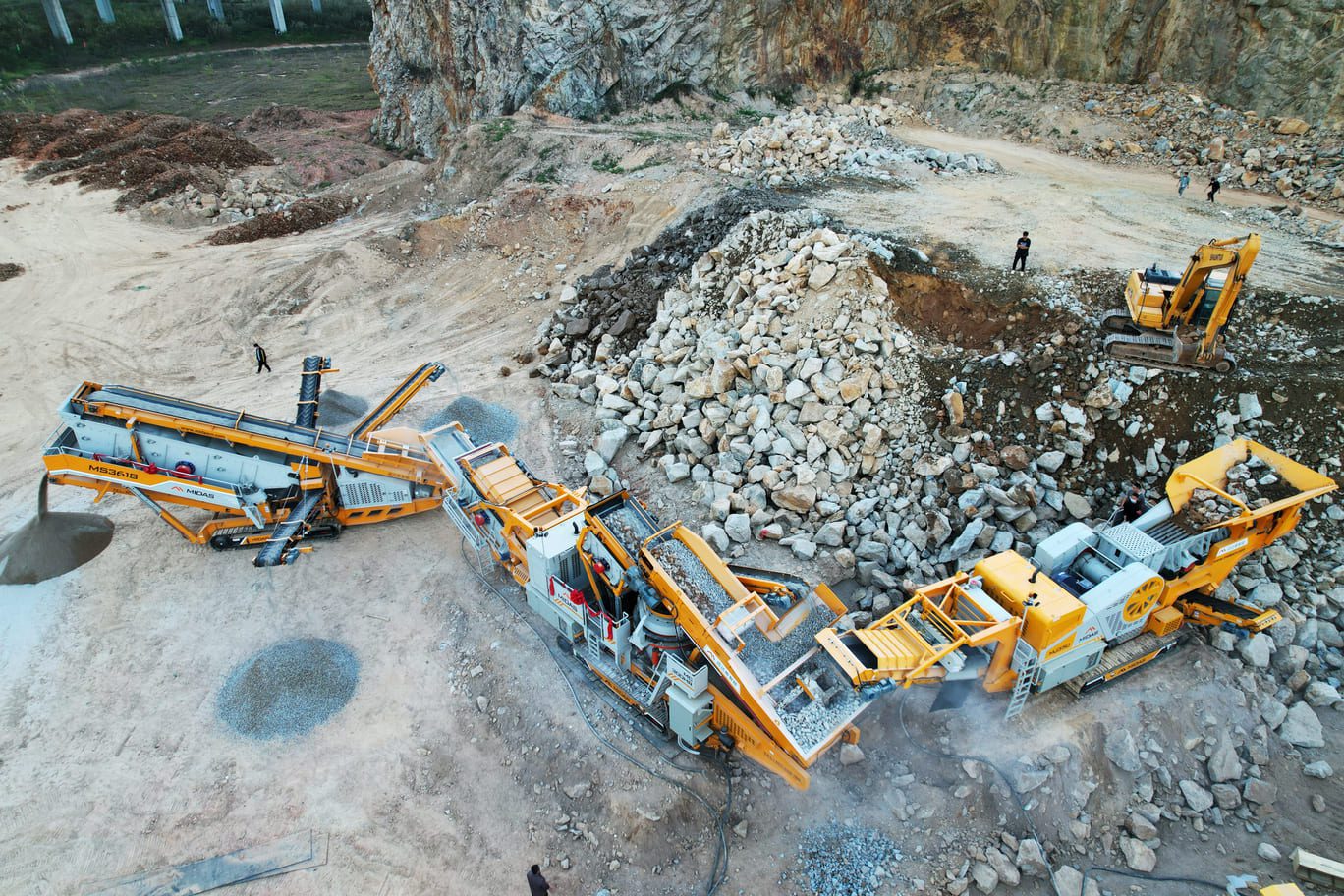
I've seen many clients focus only on the price tag. But that's just one piece of the puzzle. A cheap machine can become very expensive if it's not the right fit for your job. This happens all the time. Let's break down what really matters, step by step, so you can make a smart investment that pays off for years to come.
How Do Your Materials and Capacity Needs Affect Your Choice?
Picking a crusher without knowing your material is a gamble. You risk low efficiency, high wear costs, and constant headaches. Let's match the machine to your specific rock and production goals.
Your material type—hard rock like granite or soft material like concrete—determines if a jaw crusher is suitable. Your required tons per hour and annual output goals will dictate the necessary size and power of the machine, directly impacting your project's efficiency and profitability.
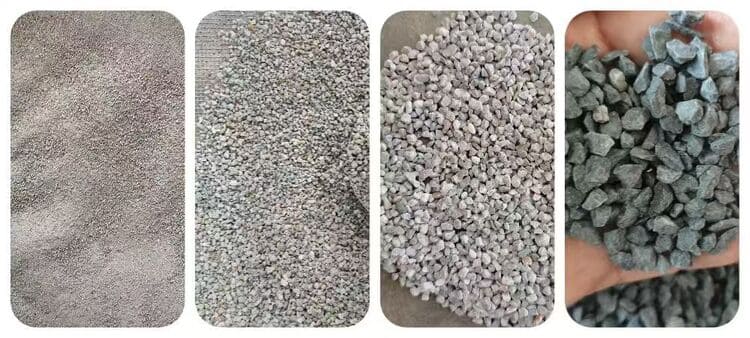
A client once came to me asking for our largest, most powerful mobile jaw crusher. He was excited about the high tonnage on the spec sheet. But when I asked what he was crushing, he said it was mostly old concrete from a demolition project. While a jaw crusher can handle concrete, its real strength is in crushing very hard rock. We ended up discussing a different setup that was more efficient for his softer material, saving him money on both the initial purchase and long-term wear parts. This is why your material is always the first question I ask.
Hard Rock vs. Soft Materials
Jaw crushers excel at primary crushing for hard, abrasive materials. The compressive force is perfect for breaking down tough rock.1 For softer materials, other types of crushers might be more efficient, but a jaw crusher is still a versatile first step.
| Material Type | Examples | Suitability for Jaw Crusher |
|---|---|---|
| Hard Rock | Granite, Basalt, River Stone, Quartz | Excellent. This is what jaw crushers are designed for. |
| Soft Rock | Limestone, Sandstone, Shale | Good. Effective, but wear rates will be lower. |
| Recycled Materials | Concrete, Asphalt, Bricks | Good. Great for demolition waste, but watch out for rebar. |
Calculating Your True Capacity
Your capacity needs are more than just a "tons per hour" number. You need to think about your daily work schedule and your total annual production target. For example, needing 200 tons per hour for an 8-hour shift is very different from needing it for a 20-hour shift. Also, remember that the advertised capacity is a maximum value under perfect conditions. In the real world, with variations in feed size and material flow, you should expect to achieve about 70-80% of that number. Always plan for this to avoid falling short of your production goals.
Why Are Your Site Conditions a Critical Factor?
Found the perfect crusher, but your site can't support it? Power availability and local rules can stop a project before it starts. Let’s make sure your machine choice fits your worksite.
Site conditions are vital. A remote location without stable grid power makes diesel-hydraulic models a better choice than electric or hybrid ones. You must also consider local environmental laws on noise and emissions to ensure your equipment is compliant and avoid fines or shutdowns.
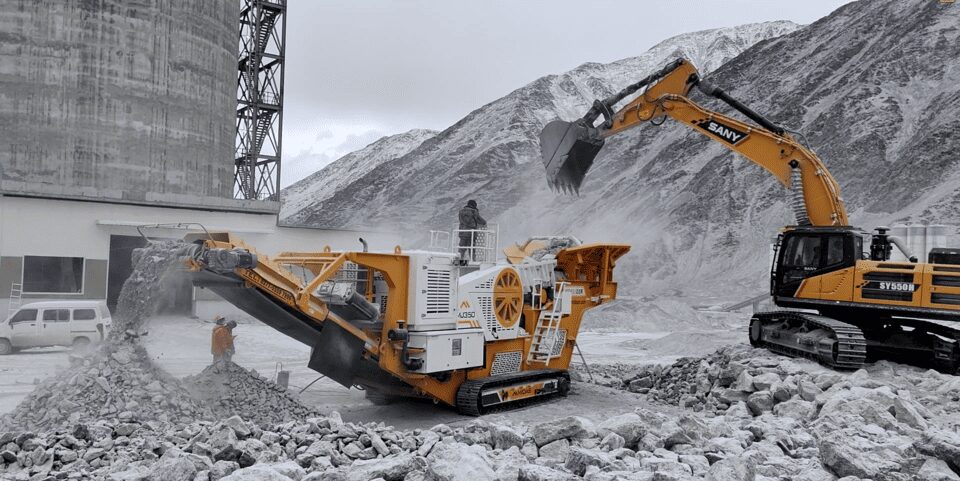
I remember a project in a remote mountain area. The customer bought a state-of-the-art hybrid crusher, thinking he would save on fuel. The problem was, the local power grid was unstable and couldn't reliably charge the system. His team ended up relying on the diesel engine almost full-time, which defeated the purpose of the hybrid. He would have been better off with a simpler, more robust diesel-hydraulic unit from the start. This experience taught me to always discuss the site's infrastructure first. It’s a simple conversation that prevents major problems later.
Choosing Your Drive System
The power source for your crusher is a huge decision. It affects your operating costs, maintenance schedule, and where you can work.
| Drive System | Best Use Case | Pros | Cons |
|---|---|---|---|
| Diesel-Hydraulic | Remote sites with no grid power | Self-contained, robust, easy to service | Higher fuel costs, engine emissions |
| Hybrid (Diesel-Electric) | Sites with some power access or as part of a fleet | Fuel-efficient, can run on external power | More complex, higher initial cost |
| Full Electric | Quarries with stable, cheap grid power | Lowest operating cost, zero emissions, quiet | Requires constant grid connection, less mobile |
Navigating Environmental Rules
More and more regions are enforcing strict rules about noise and dust.2 Before you buy, you need to know what your local regulations are. Does your site have limits on operating noise levels? Do you need dust suppression systems? Modern crushers offer features like water sprayers at the feed and discharge points to control dust. The engines also need to meet emission standards, like Tier 4 in many parts of the world.3 Choosing a compliant machine from the start saves you from fines, shutdowns, and headaches with local authorities.
How Do Output Requirements Influence Your Decision?
A jaw crusher is just the start. If your final product isn't the right size for its intended use or for the next machine in line, you've wasted time and money.
Your required output size is crucial because a mobile jaw crusher is typically the primary stage. The size of its output must match the feed requirements of your secondary crushers, like cone or impact crushers, to create a smooth, efficient, and complete processing line.
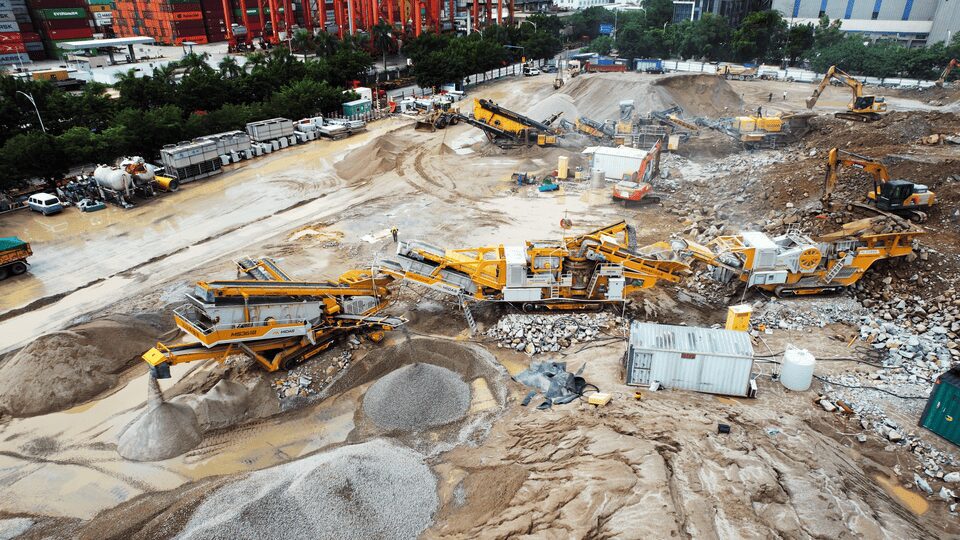
Think of it like a relay race. The jaw crusher is the first runner. It takes the big, raw material and breaks it down to a manageable size. Then, it "passes the baton" to the next machine. If the material coming out of the jaw crusher is too big for the secondary crusher (like a cone or impactor) to accept, the whole operation clogs up. You get a bottleneck, and production grinds to a halt. That's why I always tell my customers to plan the entire crushing circuit, not just one machine. Your output from stage one must be the perfect input for stage two.
The Role of the Primary Jaw Crusher
The main job of the mobile jaw crusher is to perform the first stage of reduction.4 You control the output size by adjusting the Closed Side Setting (CSS). This is the narrowest gap at the bottom of the jaw plates. A smaller CSS gives you a smaller output product, but it also reduces the overall tons per hour you can process. You need to find the right balance that produces material small enough for your next stage without creating a bottleneck.
Matching with Secondary Crushers
To get a final, sellable product like specific grades of aggregate, you'll almost always need a secondary crusher. The type you choose depends on the material and the final product shape you need.
| Primary Crusher | Secondary Crusher | Final Product & Use |
|---|---|---|
| Mobile Jaw Crusher | Mobile Cone Crusher | For hard, abrasive rock. Produces cubical aggregate for concrete and asphalt. |
| Mobile Jaw Crusher | Mobile Impact Crusher | For softer rock and recycling. Produces well-shaped aggregate and road base. |
Planning this combination ahead of time is the key to an efficient and profitable operation. Don't think of it as buying one machine; think of it as designing a system.
How Can You Balance Budget Without Sacrificing Quality?
Worried about the high initial cost? Focusing only on the price tag is a common trap that can lead to much higher expenses down the road. Let's look at the bigger picture.
Your budget will guide your choice between different drive systems like diesel-hydraulic, hybrid, or full electric, as their prices vary. However, look beyond the purchase price. Consider the Total Cost of Ownership (TCO), including fuel, wear parts, maintenance, and potential downtime.
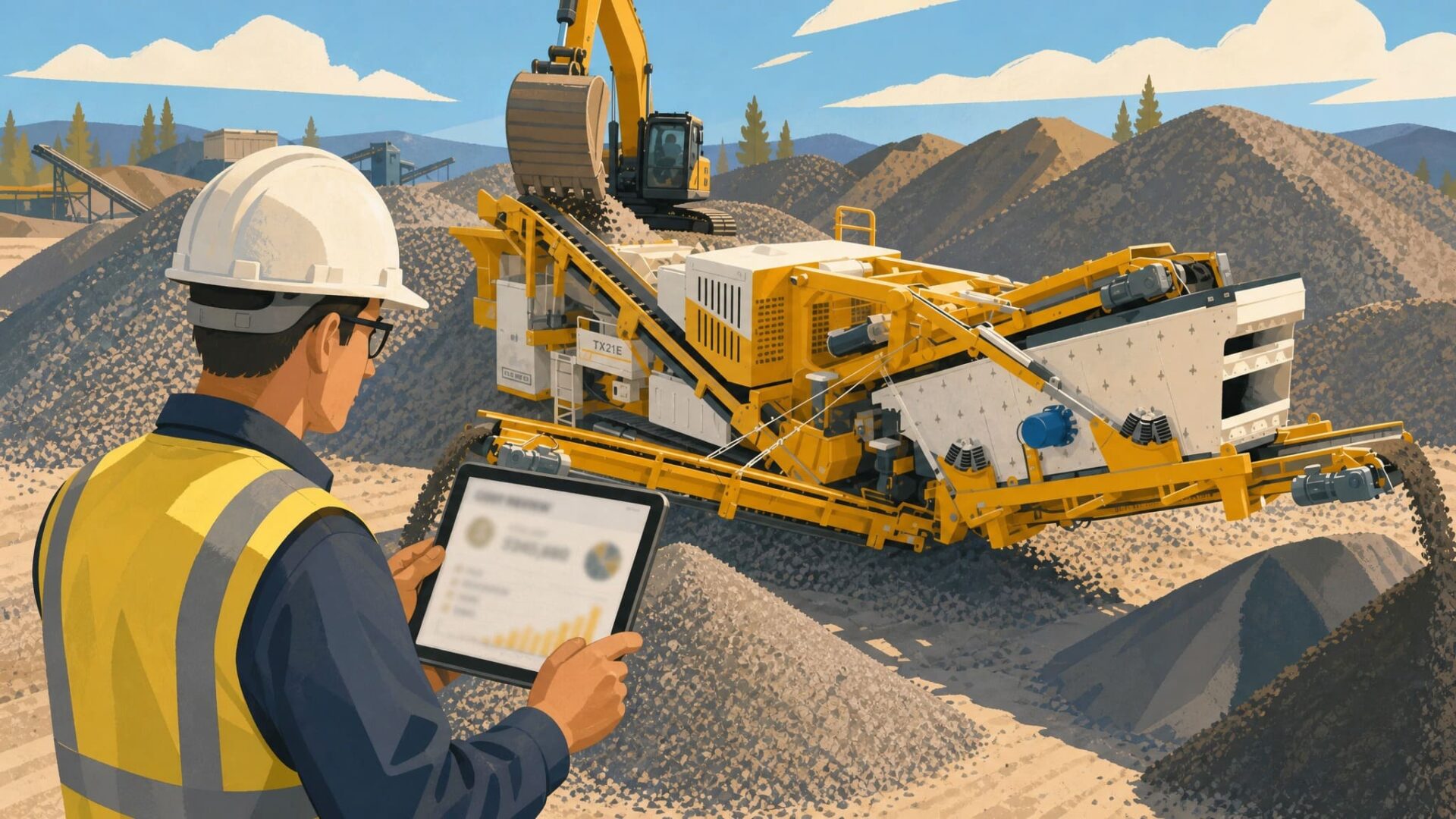
I once had a customer who chose a cheaper machine from another supplier to save about 15% on the initial purchase. He was happy for the first few months. Then the problems started. The wear parts on his machine wore out twice as fast as he expected because they weren't suited for his abrasive granite. On top of that, getting replacement parts took weeks, and his entire operation sat idle. Within a year, the money he lost from downtime and extra maintenance far exceeded the 15% he initially saved. This is why we must talk about the total cost, not just the purchase price. A reliable machine that keeps working is the best investment you can make.
Beyond the Sticker Price
The smartest buyers I know focus on the Total Cost of Ownership (TCO). This is a simple idea: the true cost of a machine is the purchase price, plus all the money you spend to run it, minus what you can sell it for later.5 A machine with a low purchase price but high fuel consumption and frequent breakdowns is a bad deal.
Key Factors in Total Cost of Ownership (TCO)
Here are the costs you must consider to make a wise financial decision.
| Cost Category | Key Considerations | My Advice |
|---|---|---|
| Purchase Price | Drive type (diesel, hybrid, electric), machine size, brand reputation. | Get several quotes, but don't let this be your only deciding factor. A 10% higher price for a much more reliable machine is a great deal. |
| Fuel/Energy | Cost of diesel vs. electricity per hour of operation. | Calculate your local energy costs. Electric or hybrid models are often much cheaper to run if you have access to the grid. |
| Wear Parts | Lifespan and cost of jaw plates, cheek plates, and toggle plates. | Ask the supplier for expected wear life and replacement costs for your specific material. Hard rock wears parts faster. |
| Maintenance | Ease of access for daily checks, lubrication, and parts replacement. | A machine that is easy to service saves you expensive labor and reduces downtime. Ask for a demonstration of daily maintenance tasks. |
| Downtime | Machine reliability and availability of service support and spare parts. | Every hour the machine is down, you are losing money. A supplier with strong local support and parts inventory is invaluable. |
Conclusion
Choosing the right mobile jaw crusher is about balancing your unique needs—material, capacity, site, and budget. This approach ensures you get a machine that works hard and pays for itself.
"Crusher - Wikipedia", https://en.wikipedia.org/wiki/Crusher. Supports the claim that jaw crushers are highly effective for primary crushing of hard, abrasive materials, leveraging compressive force to break down tough rock. Evidence role: mechanism; source type: research. Supports: the effectiveness of jaw crushers for primary crushing of hard, abrasive materials due to their compressive force. ↩
"Control Of Air Emissions From Process Operations In The Rock ...", https://nepis.epa.gov/Exe/ZyPURL.cgi?Dockey=2000F4T9.TXT. Supports the observation of a global trend towards stricter environmental regulations regarding noise and dust emissions in industrial operations, including crushing. Evidence role: general_support; source type: government. Supports: the increasing enforcement of strict environmental regulations concerning noise and dust in crushing and mining operations across various regions. ↩
"Regulations for Emissions from Nonroad Vehicles and Engines - EPA", https://www.epa.gov/regulations-emissions-vehicles-and-engines/regulations-emissions-nonroad-vehicles-and-engines. Supports the claim that engines in mobile crushing equipment are often mandated to comply with emission standards, such as Tier 4, in numerous jurisdictions worldwide. Evidence role: general_support; source type: government. Supports: the requirement for mobile crushing equipment engines to meet specific emission standards, such as Tier 4, in various global regions. ↩
"Crusher - Wikipedia", https://en.wikipedia.org/wiki/Crusher. Supports the definition of a mobile jaw crusher as equipment primarily designed to perform the first stage of size reduction in a material processing circuit. Evidence role: definition; source type: encyclopedia. Supports: the definition of a mobile jaw crusher's primary role as the initial stage of material size reduction in a crushing operation. ↩
"Total Cost of Ownership: How It's Calculated With Example", https://www.investopedia.com/terms/t/totalcostofownership.asp. Supports the definition of Total Cost of Ownership (TCO) as a financial metric encompassing the initial purchase price, operational costs, maintenance, and residual value over an asset's entire lifecycle. Evidence role: definition; source type: encyclopedia. Supports: the definition of Total Cost of Ownership (TCO) as a comprehensive financial calculation that includes initial purchase price, operating expenses, maintenance, and resale value over the lifespan of an asset. ↩