


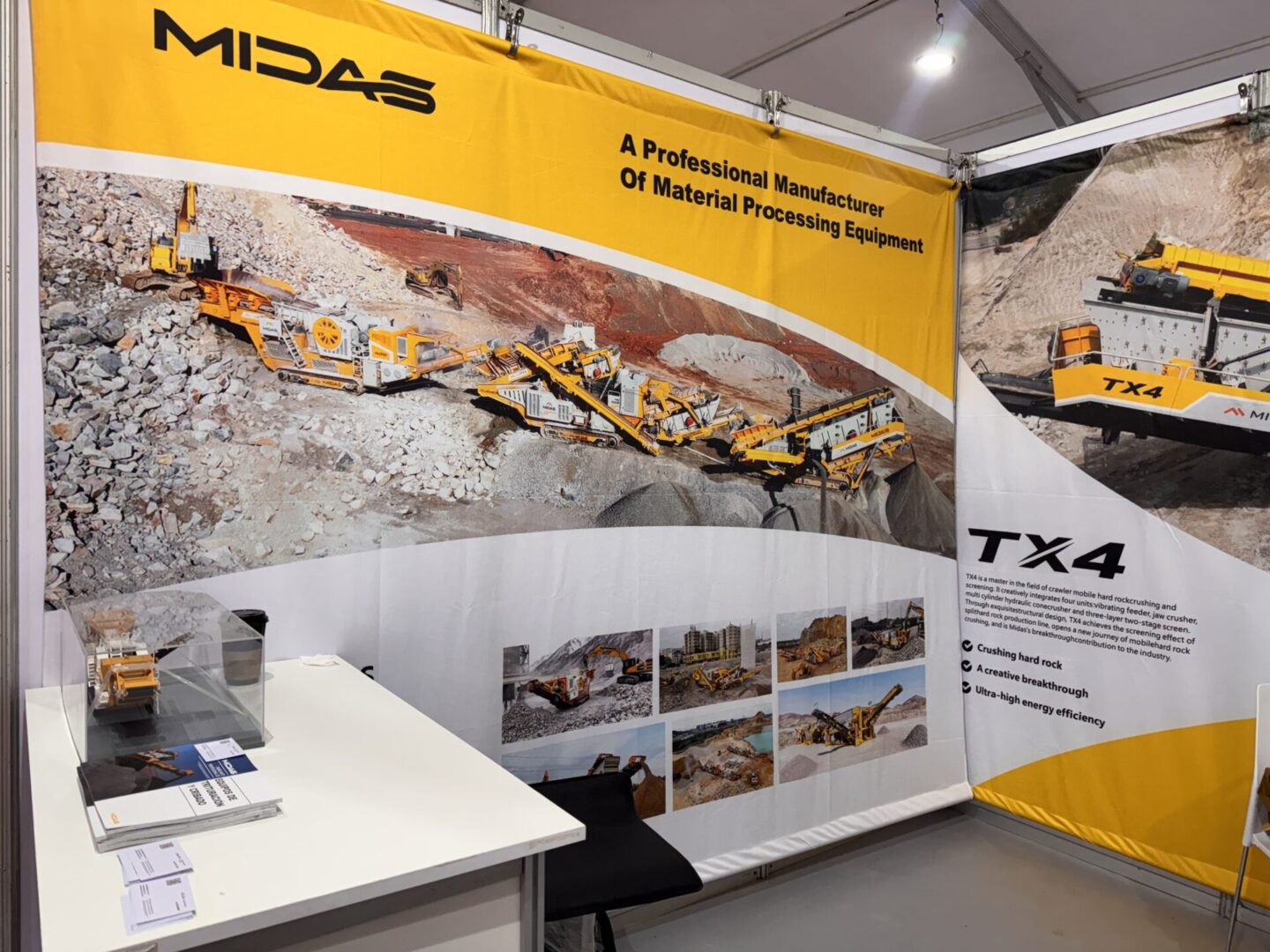
Was Attending Exponor Chile 2026 a Turning Point for Midas?
Entering a new continent feels overwhelming. You worry if your products will fit and if the long journey will be worth it. Our trip to Chile showed us it's about planting a seed for the future.
Attending Exponor Chile 2026 was a crucial first step for Midas in South America. We learned that success here requires more than just great equipment. It demands a long-term commitment to providing excellent local support, spare parts, and after-sales service for our mobile crushing solutions.1
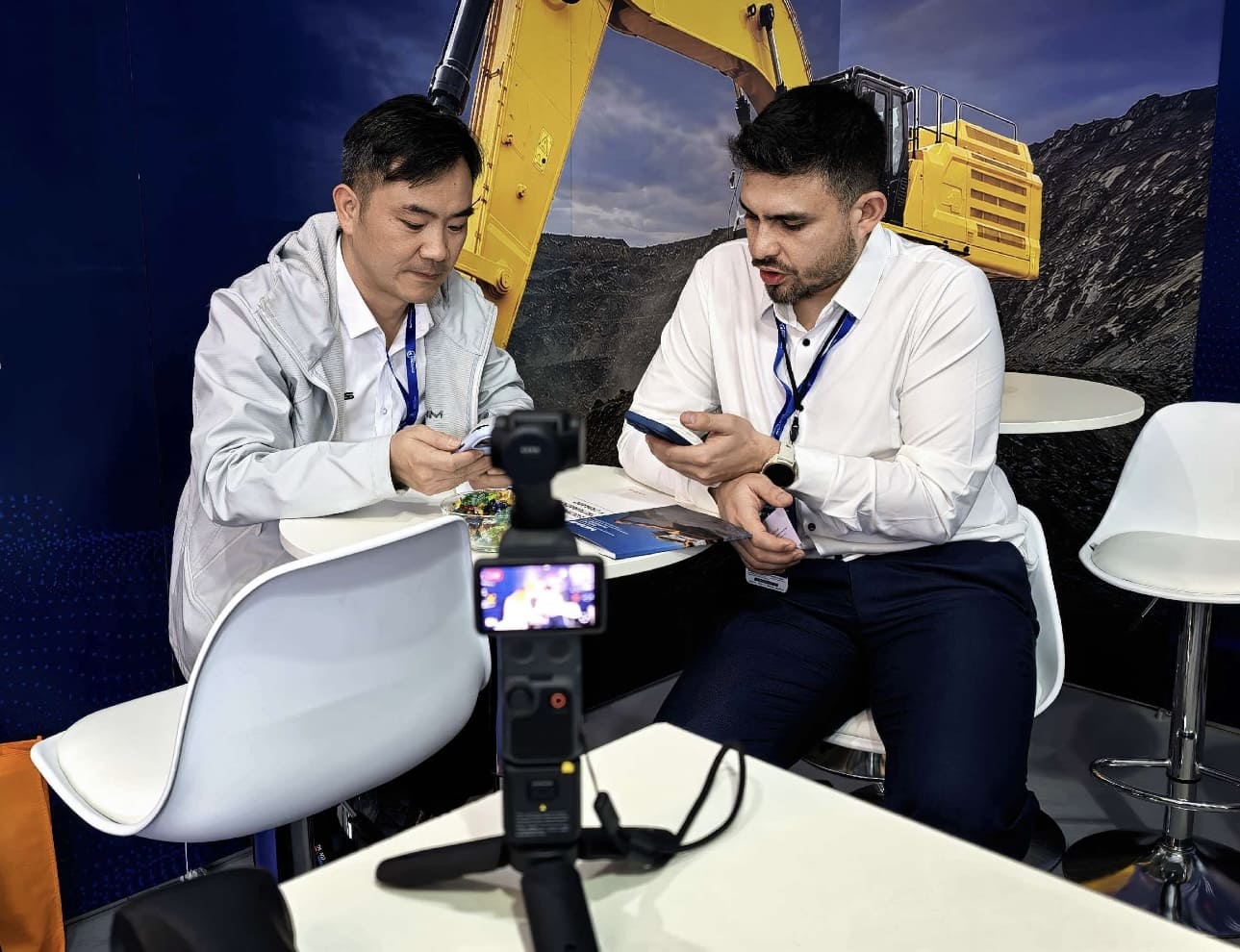
I remember stepping off the plane in Antofagasta, the "city of copper," with our Midas brochures in hand and high hopes. We came to South America with a simple idea, but we left with a much deeper understanding of what it takes to build a lasting presence here. This journey was about much more than just a trade show; it was the start of a brand new chapter for our company. Let me walk you through what we discovered on this incredible trip.
Did We Find the South American Market We Were Looking For?
You believe your product is perfect for a new market. But you wonder if potential customers will see the same value. We found an audience genuinely interested in what Chinese manufacturers like us have to offer.
We found a market very interested in Chinese mobile crushing and screening brands.2 At Exponor, we had great conversations with potential customers and distributors from Chile, Argentina, and Peru. They were curious about our technology and what makes Midas different from the competition they already know.
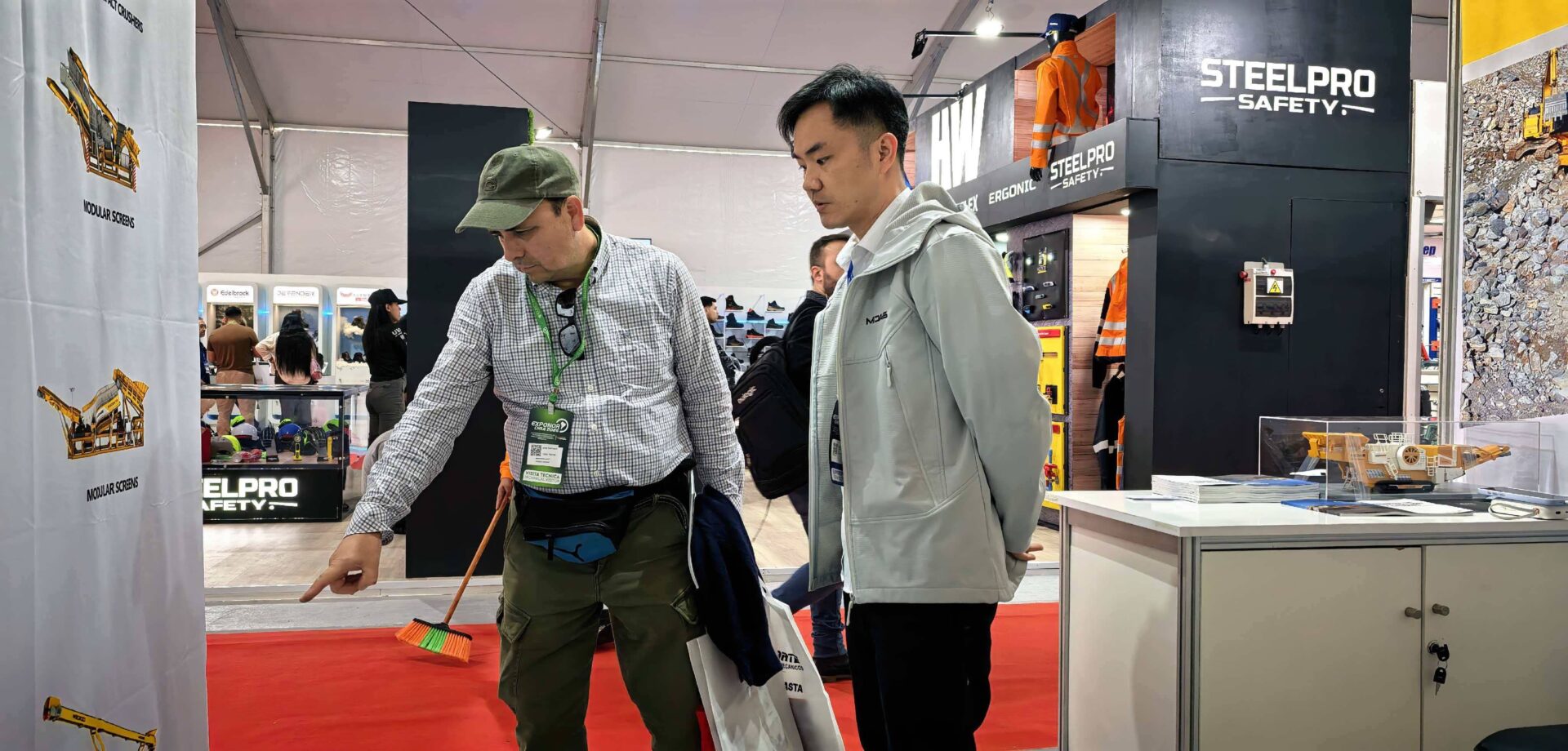
Our initial thinking was straightforward. Antofagasta is the heart of Chile's massive copper mining industry.3 We build tough, reliable mobile crushing equipment at our ISO 9001 certified factory. It seemed like a perfect match. We expected to talk a lot about crushing capacity, engine power, and machine specifications. And we did. But the conversations quickly went deeper than that. We met with quarry owners looking to increase their aggregate production, construction contractors needing to process demolition waste for new infrastructure projects, and entrepreneurs from recycling firms.4 They were not just from Chile, but also from neighboring countries like Peru and Argentina.5 Their interest was real. They asked tough, specific questions and compared our offerings directly with the established brands in the region. This wasn't just idle curiosity; they were seriously evaluating if a brand like Midas could be a viable, long-term partner for their operations. It showed us that the demand is definitely here, but it's a sophisticated demand. Customers need to trust the brand behind the machine, not just the steel itself.
| Country of Interest | Primary Application | Key Questions Asked |
|---|---|---|
| Chile | Mining & Quarries | Machine durability in harsh conditions, fuel efficiency |
| Peru | Construction & Demolition | Versatility of crushers, ease of transport between sites |
| Argentina | Solid Waste Recycling | Total cost of ownership, local parts availability |
What Do South American Customers Really Care About in Crushing Equipment?
You have a high-performance machine ready to sell. But customers seem hesitant, focusing on things beyond the machine itself. We learned that trust is built not on performance alone, but on reliable support long after the purchase.
South American customers care deeply about what happens after the sale. While our machine's performance is important, their biggest concerns were spare parts availability and reliable after-sales service.6 They need to know that we will be there to keep their operations running without long delays.
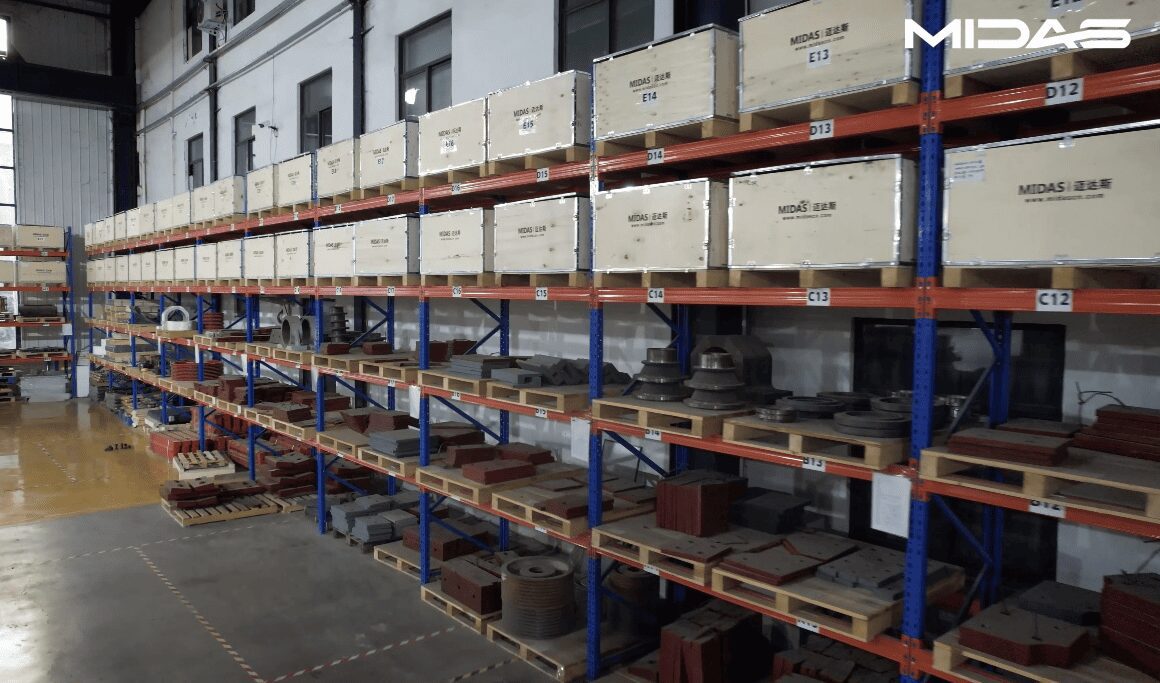
This was the single biggest lesson for us from the entire trip. In every meaningful conversation, the topic always turned to support. A potential distributor from Santiago put it to me plainly: "Your jaw crusher looks strong. But what happens if a main bearing fails during a critical project? How quickly can I get a replacement? Who can I call for technical help?" This question, in different forms, came up again and again. Many of them have experience buying equipment from overseas, only to be left stranded when something goes wrong. For them, downtime is a disaster. A mobile crusher at a remote quarry that is down for weeks waiting for a part from China doesn't just mean a repair cost; it means lost contracts, idle workers, and a damaged business reputation.7 They need a local warehouse with common wear parts, trained technicians who can provide on-site assistance, and a clear support system they can count on. This completely shifted our perspective. Our strategy can't just be about shipping containers of equipment. It has to be about building a complete support infrastructure on the ground. We realized that to sell a machine in South America, we must first sell confidence and peace of mind.
Key Customer Priorities
- Immediate Parts Access: Customers want to know there is a local or regional stock of common wear parts like jaw plates and conveyor belts.
- Local Technical Support: They need access to trained technicians who understand the equipment and can provide fast, on-site troubleshooting and repair.8
- Long-Term Partnership: They are looking for a supplier who is invested in their long-term success, not just a one-time seller.9
Is This Just the Beginning for Midas in South America?
Entering a huge new market is a massive challenge. The scale of the task can be discouraging, and you might wonder where to even start. We see this not as a barrier, but as the first step in a long, rewarding journey.
Yes, this is absolutely just the beginning. The Exponor show wasn't about closing deals; it was about planting a seed. We are now committed to nurturing that seed by developing our potential clients and agents, step by step, to build a strong presence throughout South America.
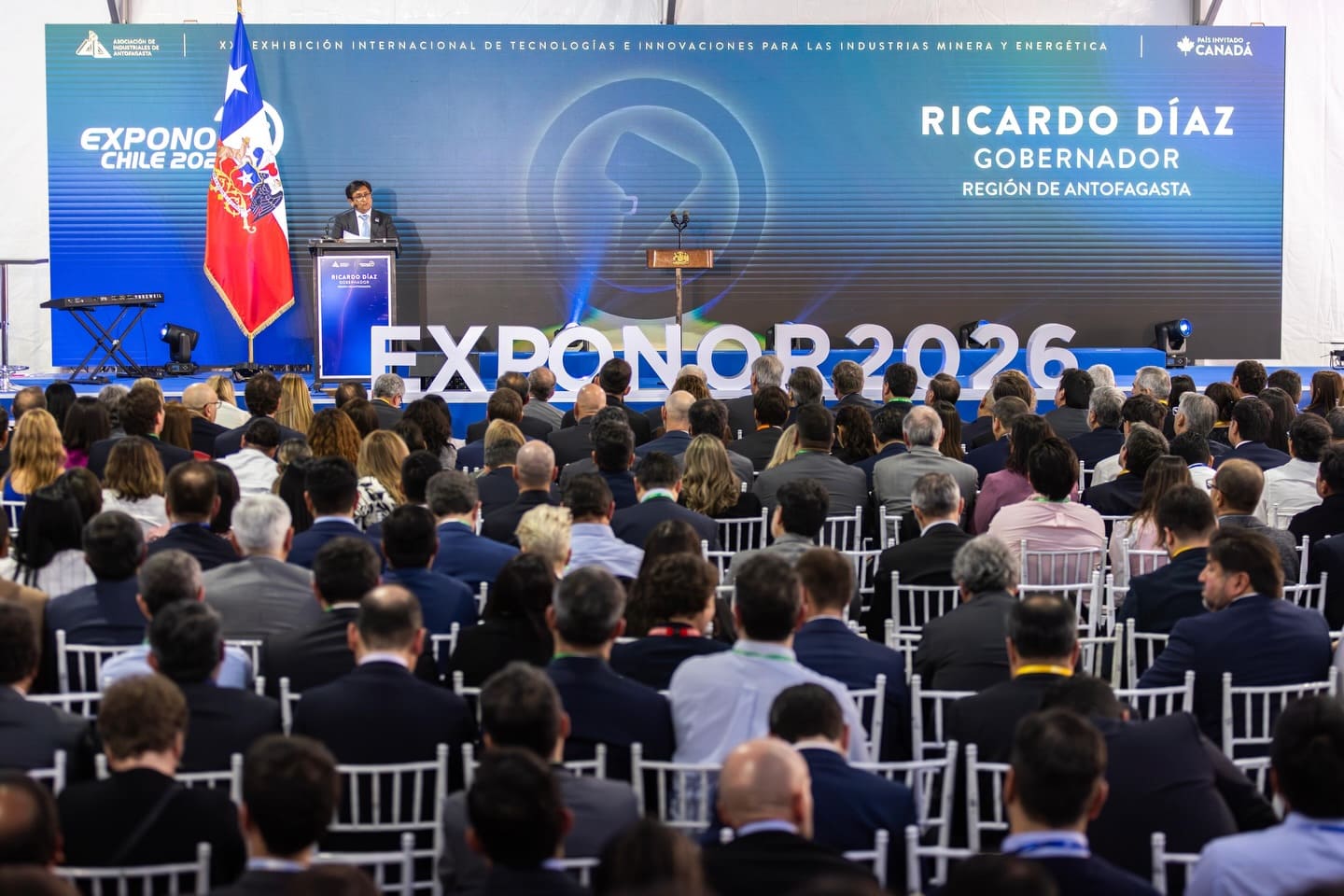
Leaving Chile, I didn't feel tired from the long trip. I felt a strong sense of purpose. We didn't fly home with a book full of signed orders. Instead, we brought back a clear roadmap for the future. Our goal is not about making quick wins. Our goal is to build Midas into a trusted and respected name in the South American crushing and screening industry. This means taking our time and doing it the right way. We are now carefully following up with every single contact we made. We are listening to their specific needs, learning about their challenges, and figuring out how we can build the support network they told us they require. The conversations at Exponor were the start. Now, the real work begins. It involves finding the right local partners who share our vision, understanding the specific business regulations in each country, and proving our commitment through action, not just words. We are determined to put in the hard work. We believe that by focusing on long-term relationships and building a world-class support system, Midas will not just enter the South American market—it will flourish and help our customers grow for many years to come.
Our Step-by-Step Plan
- Deep Engagement: Continue conversations with the potential customers and distributors we met to fully understand their business.
- Market Research: Conduct detailed studies on the specific needs and challenges of the mining, construction, and recycling sectors in Chile, Peru, and Argentina.
- Partnership Building: Identify and vet potential local partners who can represent Midas and provide excellent sales and service.
- Infrastructure Planning: Develop a concrete strategy for establishing local parts warehousing and a technical support team in the region.
Conclusion
Our journey to South America was more than a trade show; it was the start of our commitment. We are here to stay, grow, and support our future partners.
"After-Sales Service | BETA - International Trade Administration", https://beta.trade.gov/article?id=Providing-After-Sales-Service. Research and industry reports consistently highlight that robust after-sales support, including local spare parts availability and technical service, is a critical differentiator and success factor for heavy equipment manufacturers entering or operating in the South American market. Evidence role: expert_consensus; source type: research. Supports: the assertion that comprehensive after-sales support, including local parts and service, is crucial for success in the South American mobile crushing equipment market.. ↩
"Mobile Crushers and Screeners Market - Industry Analysis", https://www.maximizemarketresearch.com/market-report/global-mobile-crushers-and-screeners-market/22131/. Market analyses and trade reports indicate an increasing trend of South American countries, including Chile, Argentina, and Peru, showing interest in and adopting Chinese mobile crushing and screening brands due to competitive pricing and improving quality. Evidence role: general_support; source type: research. Supports: the growing interest and market acceptance of Chinese-manufactured mobile crushing and screening equipment within the South American region.. ↩
"Chile - Mining - International Trade Administration", https://www.trade.gov/country-commercial-guides/chile-mining. Geographical and economic overviews of Chile's mining sector confirm Antofagasta's strategic importance as a major hub for the nation's copper mining operations. Evidence role: general_support; source type: encyclopedia. Supports: Antofagasta's central role and significance within Chile's copper mining sector.. ↩
"Mobile Crushers & Screeners Market Size Report, 2026-2033", https://www.grandviewresearch.com/industry-analysis/mobile-crushers-screeners-market-report. Market analyses of the heavy equipment sector in South America confirm the diverse applications for mobile crushing equipment, serving key industries such as quarrying for aggregate production, construction for demolition waste processing, and the growing solid waste recycling sector. Evidence role: general_support; source type: research. Supports: the broad range of applications for mobile crushing equipment in South America, encompassing aggregate production for quarries, demolition waste processing in construction, and solid waste recycling.. ↩
"EXPONOR 2026 inicia su exhibición con histórica presencia ...", https://exponor.cl/en/2026/06/08/exponor-2026-inicia-su-exhibicion-con-historica-presencia-presidencial-y-consolida-a-chile-como-epicentro-mundial-de-la-mineria-energia-e-innovacion/. Exponor Chile's official attendance reports and promotional materials often highlight its regional appeal, confirming that the event consistently draws a significant number of international visitors and exhibitors from neighboring South American countries, including Peru and Argentina. Evidence role: general_support; source type: institution. Supports: the regional draw of Exponor Chile, indicating its ability to attract attendees and business interest from neighboring South American countries like Peru and Argentina, beyond its host nation.. ↩
"After-Sales Service | BETA - International Trade Administration", https://beta.trade.gov/article?id=Providing-After-Sales-Service. Surveys and market analyses consistently show that for heavy equipment buyers in South America, the assurance of readily available spare parts and reliable after-sales service are top priorities, often cited as more critical than initial machine performance metrics. Evidence role: expert_consensus; source type: research. Supports: the assertion that spare parts availability and robust after-sales service are primary concerns for heavy equipment customers in South America, often outweighing initial machine performance in purchasing decisions.. ↩
"The Hidden Costs of Downtime in Mining and Material Handling", https://cogarmanufacturing.com/2025/10/13/the-hidden-costs-of-downtime-in-mining-and-material-handling-why-preventative-maintenance-and-fast-parts-access-matter/. Industry studies and case analyses demonstrate that extended downtime for heavy machinery, particularly in remote mining or construction sites, incurs significant costs beyond repair, including lost production, contractual penalties, idle labor expenses, and long-term damage to a company's reputation. Evidence role: mechanism; source type: research. Supports: the substantial financial and operational repercussions, such as lost contracts and idle workforce, that result from prolonged downtime of critical heavy machinery like mobile crushers in remote operational settings.. ↩
"Heavy Equipment Maintenance Tips: Why does it matter?", https://heavyequipmentcollege.edu/heavy-equipment-maintenance-tips/. Industry best practices and customer satisfaction surveys in the heavy equipment sector underscore the high demand for and value placed on access to trained technicians capable of providing prompt, on-site troubleshooting and repair services to ensure minimal operational downtime. Evidence role: expert_consensus; source type: research. Supports: the critical customer need for readily available, trained technicians who can perform rapid on-site troubleshooting and repair services for heavy machinery, minimizing operational disruptions.. ↩
"Managing Relationships with Suppliers and Vendors You Use", https://www.apu.apus.edu/area-of-study/business-and-management/resources/managing-relationships-with-suppliers-and-vendors-you-use/. Market research on supplier selection in the South American heavy equipment industry indicates a strong preference among customers for suppliers who demonstrate a commitment to long-term partnership, offering ongoing support and investment in their clients' operational success. Evidence role: expert_consensus; source type: research. Supports: the claim that customers in the heavy equipment sector, particularly in South America, prioritize suppliers who are committed to long-term partnerships and the sustained success of their clients, rather than transactional sales.. ↩